Post Smartphone Era and Rise of AI Agents

The digital landscape is entering a radical phase where familiar screens and apps are slowly fading into the background of human interaction. Technology is no longer something you actively “open” but something that quietly works around you, anticipating needs and executing tasks with uncanny precision. This shift is not just technological, it feels almost philosophical, redefining how humans relate to machines in everyday life.
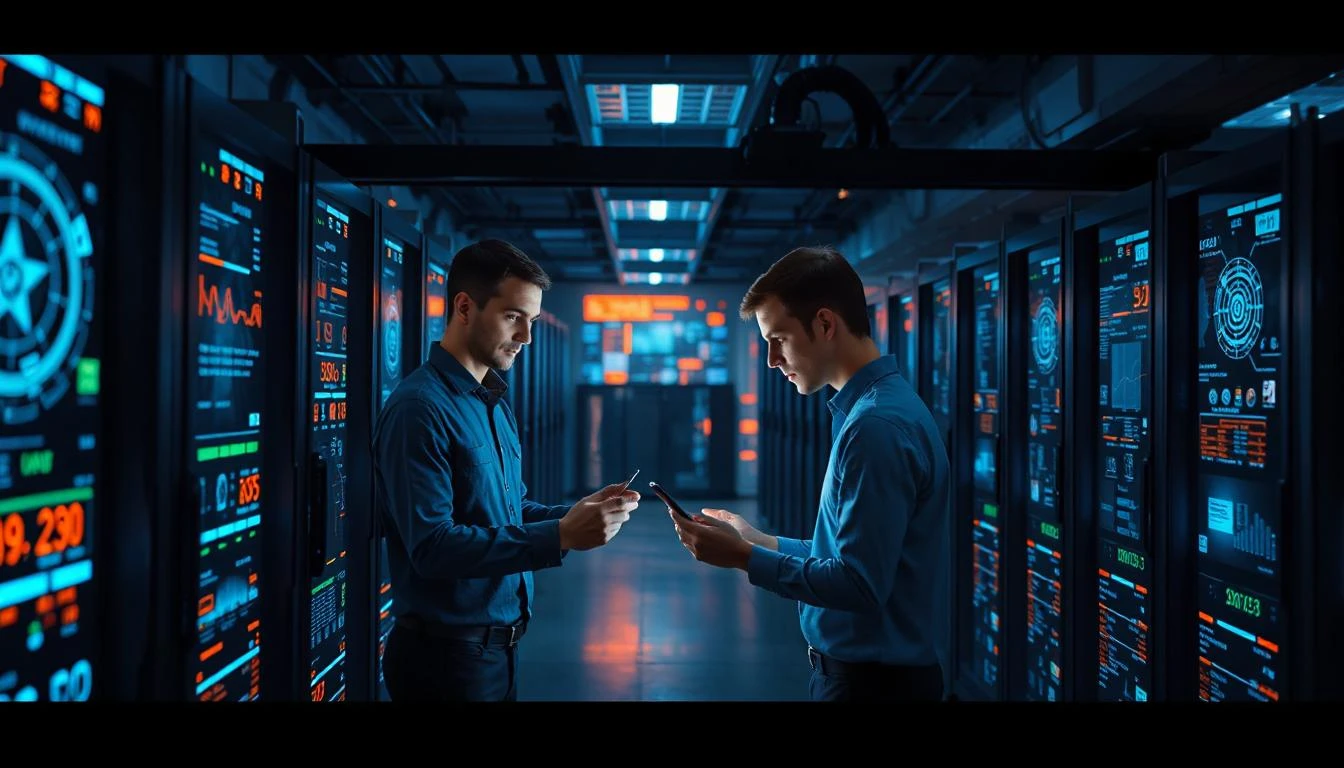
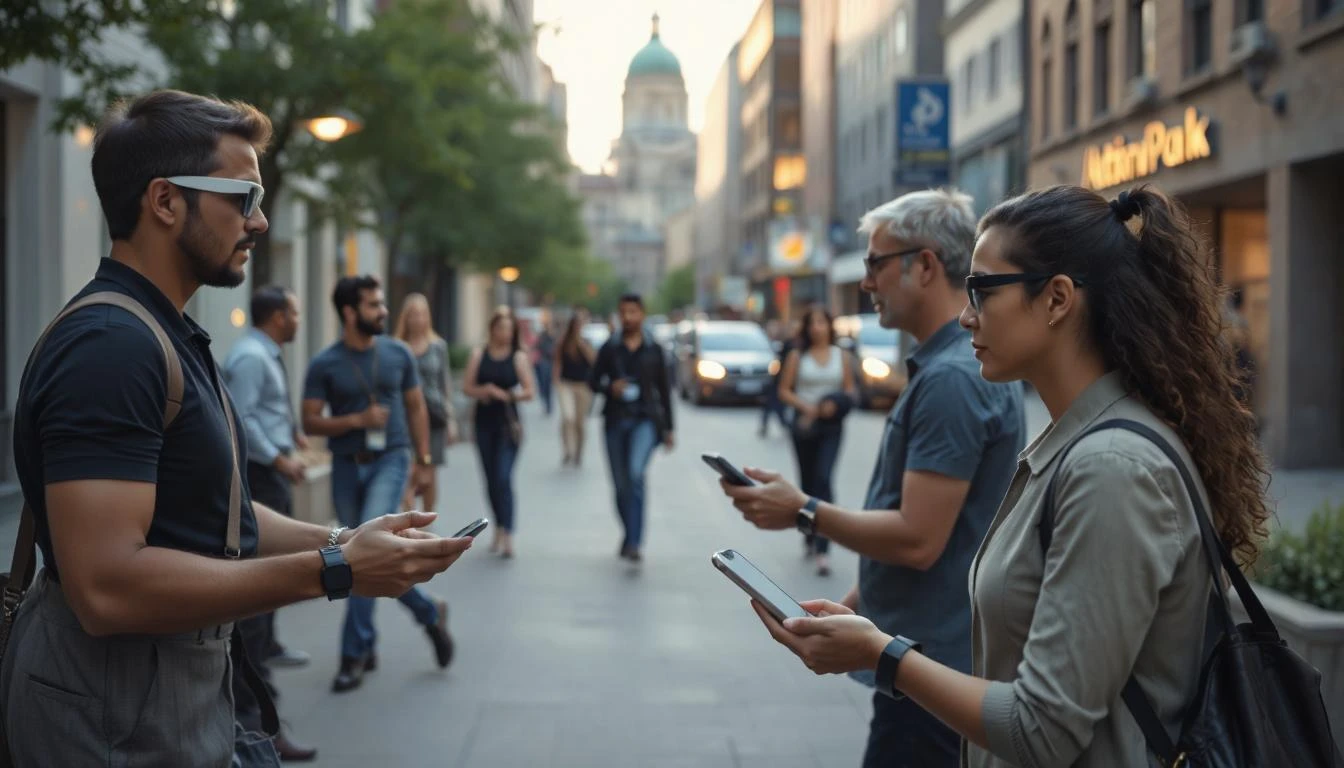
We are now witnessing the acceleration of intelligent systems that move beyond traditional mobile dependency. The Post Smartphone Era AI Agents represents this transformation, where digital experiences are no longer bound to handheld devices but distributed across intelligent, context-aware ecosystems that operate seamlessly in the background.
Transition Beyond the Smartphone Era
The world is shifting away from rigid touchscreen dependency toward fluid, intelligence-first environments that respond to human intent rather than manual input. This transition marks a fundamental redesign of how digital interaction is experienced in everyday life.
The rise of AI agents replacing smartphone technology future is not just a trend but a structural evolution in digital architecture.
Limitations of traditional mobile devices
Smartphones revolutionized communication, yet they introduced fragmentation, dozens of apps, constant notifications, and repetitive manual navigation. These limitations create friction in an increasingly fast-paced digital economy.
Shift toward ambient computing
Ambient computing dissolves the need for direct interaction. Systems operate silently in the background, adapting to behavior and environment. As tech analyst Ben Thompson once said, “The next computing paradigm is not about screens, but about presence,” emphasizing the invisible nature of future interfaces.
Rise of voice and gesture based interaction
Voice commands and gesture recognition are replacing taps and swipes. This shift aligns with user intent-based interaction models, enabling more natural communication between humans and machines.
Emergence of AI Personal Agents
The evolution of digital ecosystems is now centered around autonomous AI agents capable of thinking, deciding, and acting on behalf of users. These systems are becoming the new digital workforce behind everyday tasks.
The integration of rise of AI agents replacing smartphone technology future concepts is accelerating across global platforms.
Fully autonomous digital assistants
AI agents are no longer passive tools. They actively manage schedules, respond to messages, and execute decisions based on learned preferences without constant supervision.
Task automation across platforms
Instead of switching between apps, users now rely on unified AI systems that handle workflows across communication, commerce, and productivity environments seamlessly.
Context aware decision making
These agents interpret data in real time, adjusting actions based on location, behavior, and historical patterns. This creates a predictive digital layer that anticipates user intent.
As AI researcher Fei-Fei Li states, “AI is ultimately about augmenting human capability, not replacing it,” highlighting the collaborative future between humans and intelligent systems.
Impact on Communication and Digital Lifestyle
The rise of intelligent agents is reshaping not just technology but human behavior, communication patterns, and even digital identity across global marketplaces.
The Post Smartphone Era AI Agents framework is redefining how people engage with information and commerce.
Decline of app centric ecosystems
The traditional app economy is slowly being replaced by unified intelligence layers where users no longer download apps but interact with a single adaptive system.
Unified AI driven interfaces
These interfaces merge communication, shopping, entertainment, and productivity into one seamless conversational environment, removing fragmentation entirely.
Hyper personalized user experiences
Every interaction becomes uniquely tailored. AI systems analyze behavioral signals to deliver experiences that feel almost human in intuition and timing.
Step Into the AI Agent Powered Future Today
The transformation toward intelligent ecosystems is already visible across global digital marketplaces, where automation, personalization, and predictive systems define user experience. Businesses and users who adapt early gain a significant advantage in visibility, efficiency, and engagement.
The rise of AI agents replacing smartphone technology future is not a distant concept, it is actively reshaping industries right now.
Experts continue to emphasize this shift. Sundar Pichai once noted, “AI is more profound than fire or electricity,” reflecting its transformative global impact. Meanwhile, Satya Nadella highlights that “Every business will become an AI-first business,” reinforcing the urgency of adaptation.
The key takeaway is simple yet powerful: digital interaction is no longer about devices, but intelligence. Systems are becoming proactive rather than reactive, and marketplaces are evolving into self-optimizing ecosystems that respond to human intent in real time.
The future is already unfolding quietly beneath your daily digital interactions. The question is how quickly you choose to align with it and let intelligent systems reshape the way you work, communicate, and experience the digital world.