
AI Driven Computing Reshapes Tech Industry 2026
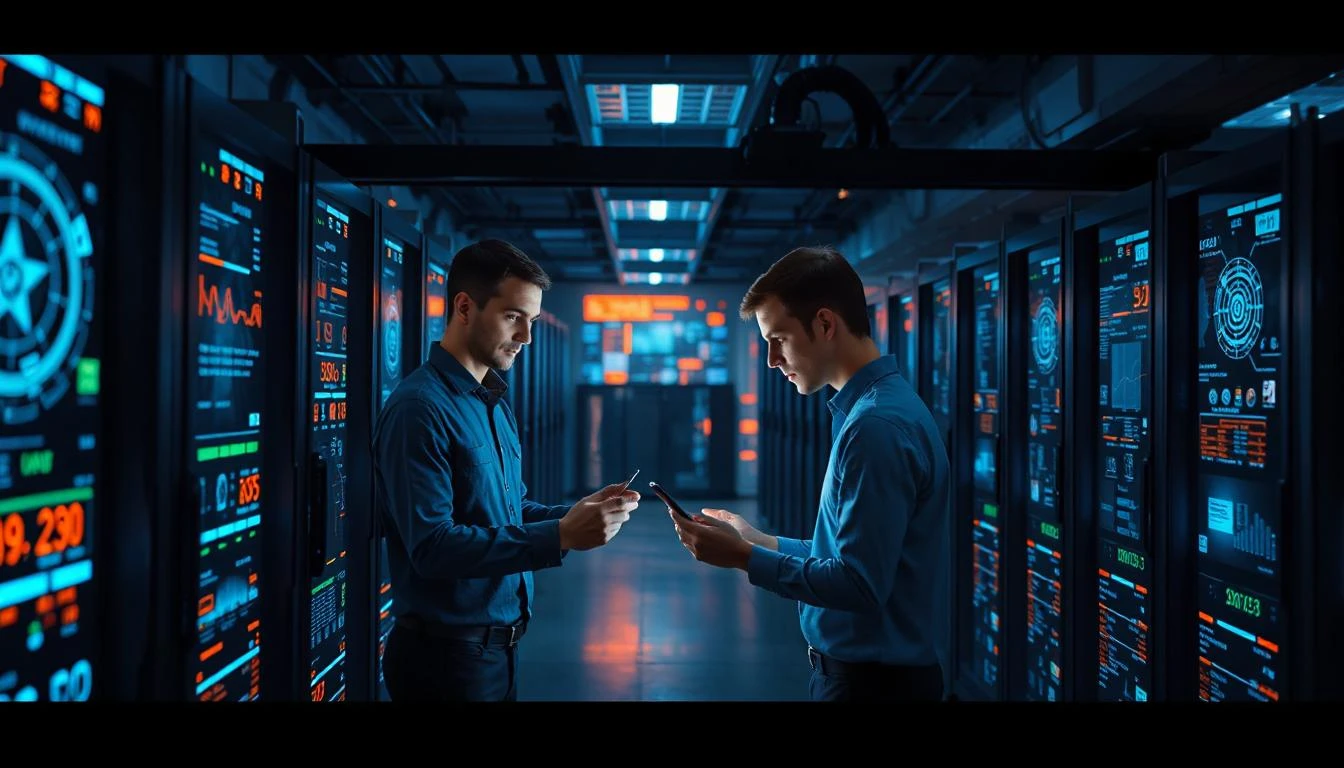
The global digital landscape is entering a phase where intelligence is no longer an added layer but the core foundation of every system. Markets, platforms, and infrastructures are now shaped by adaptive algorithms that learn continuously and respond in real time. The boundaries between human decision-making and machine computation are becoming increasingly fluid, creating a new operational rhythm across industries.
In this shifting environment, AI Driven Computing in Tech Industry emerges as the central force redefining how technology evolves, competes, and scales globally. It is not simply an upgrade to existing systems but a structural transformation that influences how data is processed, how platforms behave, and how digital marketplaces operate under constant optimization.
The Evolution of AI Driven Computing
The evolution of intelligent systems is not a sudden disruption but a layered progression that has reached a decisive acceleration point in 2026. The industry is witnessing a transition where computation is no longer static but continuously adaptive, reshaping how businesses and platforms function at their core.
AI computing reshaping technology industry 2026 trends is becoming a defining narrative for enterprises seeking competitive advantage in a saturated digital ecosystem.
From traditional computing to AI native systems
The shift from traditional architectures to AI-native systems marks a profound transformation in computational philosophy. Instead of executing fixed instructions, modern systems now interpret patterns, predict outcomes, and self-adjust based on contextual data. This evolution allows platforms such as digital marketplaces to deliver highly personalized and responsive user experiences.
Cloud integration and edge AI expansion
Cloud infrastructure is no longer just a storage solution; it has evolved into an intelligent processing ecosystem. Combined with edge AI, computation is distributed closer to the data source, enabling faster decision-making and reduced latency. This hybrid structure is especially impactful in real-time environments such as e-commerce and financial systems.
Industry wide automation shift
Automation has moved beyond repetitive task execution into full workflow orchestration. Entire systems can now self-optimize, from supply chain logistics to customer engagement cycles. As noted by Dr. Samuel Ortega, a computational systems researcher, “We are entering an era where automation no longer follows instructions, it rewrites them dynamically based on outcomes.”
Impact on Global Tech Ecosystem
The expansion of AI-driven systems is reshaping the global tech ecosystem into a highly interconnected intelligence network. Every layer of technology, from software to infrastructure, is being redefined by adaptive algorithms that prioritize efficiency and personalization.
AI computing reshaping technology industry 2026 trends continues to influence how companies restructure their digital foundations.
Software development transformation
Software creation is no longer purely human-driven. AI-assisted coding systems now generate, test, and refine applications in real time. This transformation allows developers to focus on architecture and logic while automation handles repetitive coding tasks, significantly accelerating deployment cycles.
Hardware innovation acceleration
Hardware design is evolving to support AI-intensive workloads. Specialized processors optimized for neural computation are becoming standard, enabling faster and more efficient execution of machine learning models. This synergy between hardware and AI is pushing performance boundaries across industries.
Data infrastructure modernization
Data infrastructure is transitioning into a real-time ecosystem where information is continuously processed and analyzed. This enables digital marketplaces to react instantly to user behavior, creating seamless and predictive user experiences across platforms.
Business and Workforce Disruption
The rise of intelligent computing systems is fundamentally reshaping how businesses operate and how workforces adapt. Roles are evolving, responsibilities are shifting, and entirely new professional categories are emerging.
AI replacing repetitive digital tasks
Routine administrative and analytical processes are increasingly handled by AI systems. This shift allows human workers to focus on strategic thinking, creativity, and decision-making within complex digital environments.
New roles in AI engineering and ethics
New career paths are emerging around AI governance, system design, and ethical oversight. These roles ensure that technological growth remains aligned with transparency and accountability principles in global markets.
Upskilling and reskilling demands
Organizations are prioritizing continuous learning programs to keep pace with technological acceleration. As stated by technology strategist Linda Carver, “The future workforce will not be defined by job titles but by adaptability to intelligent systems.”
Shape the Future with AI Driven Innovation Strategies
The competitive advantage in 2026 belongs to organizations that integrate intelligence into every operational layer. Businesses adopting AI-first strategies are seeing significant gains in efficiency, personalization, and scalability.
AI Driven Computing in Tech Industry is now a strategic necessity rather than an optional innovation layer.
Supporting this shift, AI computing reshaping technology industry 2026 trends highlights the urgency for businesses to modernize their digital infrastructure and embrace adaptive technologies.
Key strategic directions include AI-integrated automation, predictive analytics for digital marketplaces, and cloud-native system optimization. These approaches enable organizations to remain resilient in a rapidly evolving technological ecosystem.